AMB 2026 Machine Tool Trends: Multi-Tasking, Automatic Tool Change, FMS and Robotic Integration
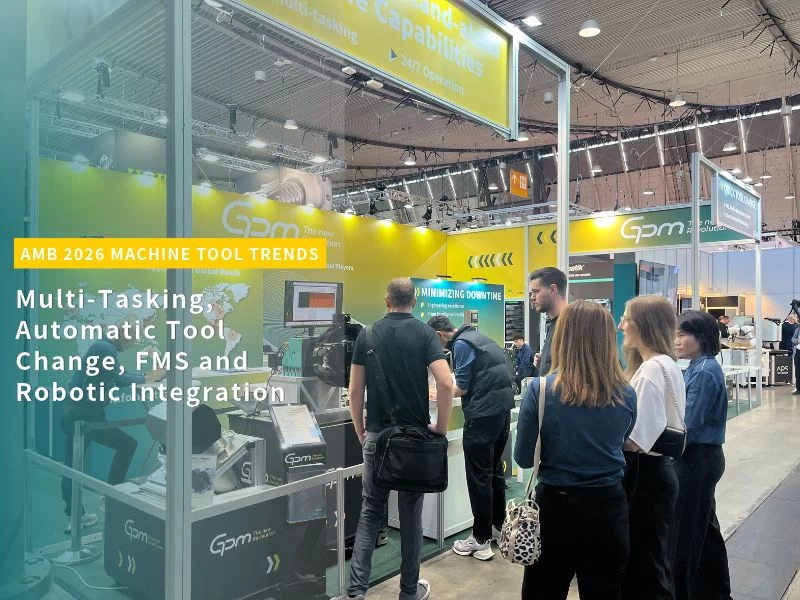
AMB 2026 Machine Tool Trends: Multi-Tasking, Automatic Tool Change, FMS and Robotic Integration
Key Takeaways from AMB 2026
GPM’s first-hand observations at AMB 2026 point to four connected developments in machine tool engineering: multi-tasking, broader automation, flexible manufacturing systems, and deeper robotic integration. Across the exhibits reviewed by GPM, the common objective was to complete more machining, handling and inspection tasks with fewer setups and less manual intervention.
- Multi-tasking: compact turrets, B-axis configurations and integrated turning, milling and grinding expand single-setup capability.
- Automation: tool change, chuck change, loading, unloading and tool inspection are increasingly planned as one workflow.
- Flexible manufacturing systems: machine tools, robots, autonomous mobile robots and material handling are coordinated across the line.
- Robotic integration: applications are expanding from machine tending to auxiliary machining, vision inspection and in-machine handling.
Why AMB 2026 Matters to Machine Tool Builders
AMB is a major European exhibition for metalworking and machine tool technology. This article is based primarily on equipment and production-line displays documented by the GPM team at AMB 2026.
External market data is included only as context and is not presented as proof of demand for any specific machine tool or component.
Trend 1: Compact Machine Tools and Integrated Turn-Mill-Grind Machining
GPM observed turn-mill machines from INDEX, SPINNER and NAKAMURA-TOME equipped with compact turrets or B-axis configurations. The exhibition also featured machines that combine turning, milling and grinding. When multiple operations can be completed in one setup, manufacturers can reduce workpiece transfers and repeated positioning. The actual productivity and accuracy gains depend on the workpiece, process plan, tooling and machine configuration.
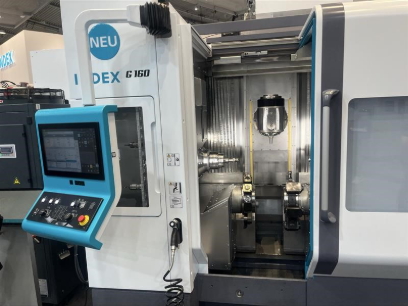
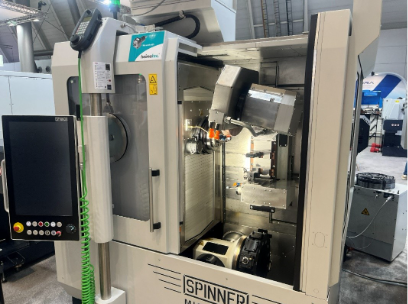
Figure 1,2 . B-axis turn-mill and integrated turn-mill-grind machines observed at AMB 2026
What multi-tasking means for machine design
- Fit turrets, B-axis units, spindles and tool-change mechanisms within limited machine space.
- Balance rigidity, thermal stability, collision management and service access.
- Coordinate CNC control, tooling data and process planning across several operations.
Eurostat reports that the share of people aged 65 or over in the EU increased from 17% in 2005 to 22% in 2025. This is relevant demographic context for medical and care-related markets, but it does not by itself establish demand for a particular machine configuration.
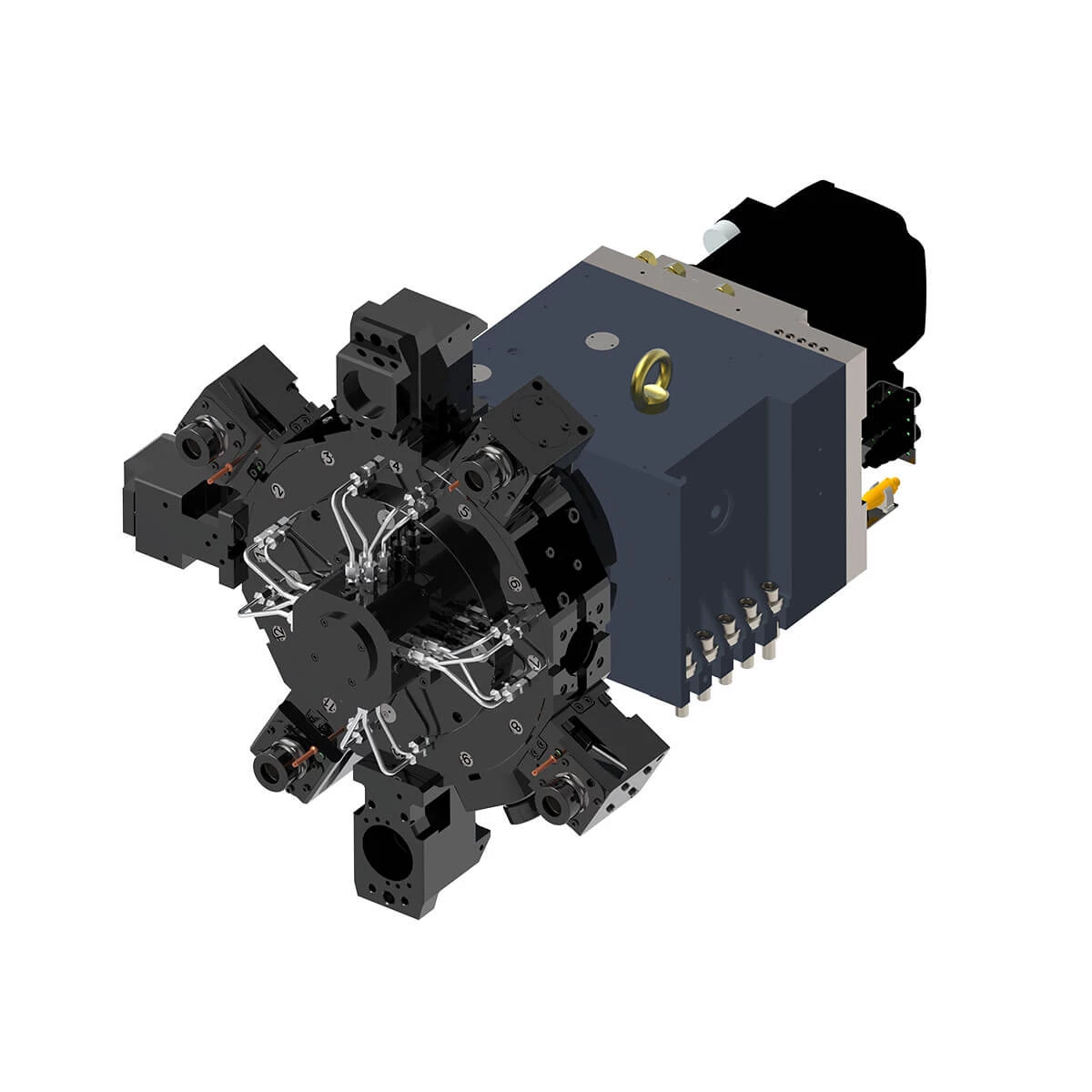
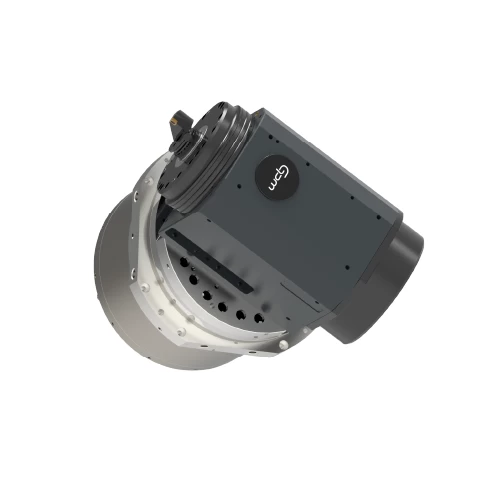
Learn more:Turn-Mill Head
Trend 2: Automatic Tool Change and Expanded Machine Tool Automation
Automation displays at AMB 2026 extended beyond conventional loading and unloading. GPM documented large multi-tasking machines with B-axis turn-mill heads, as well as solutions combining tool change, chuck change, workpiece handling and tool inspection.
The original exhibition record identifies automatic tool-change applications from GPM, Eppinger and Citizen. It also documents broader changing and automation systems from SAUTER and EMCO. These brand-to-application descriptions are limited to what was recorded in the source report and photographs.
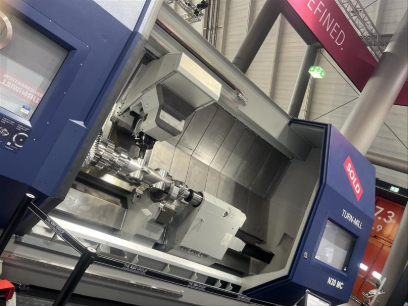
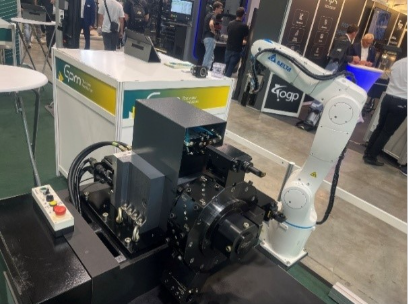
Figure 3, 4. Large multi-tasking equipment and GPM's automatic tool change turret
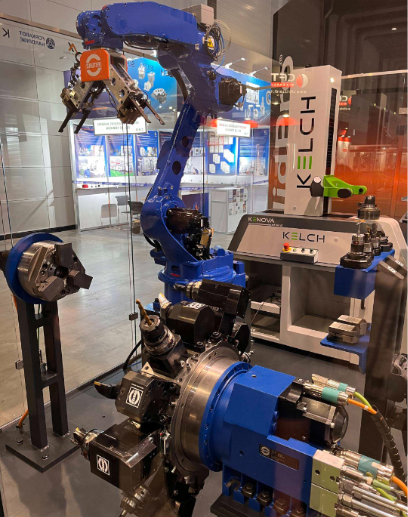
Figure 5, 6. Automatic changing and equipment-integration displays from SAUTER and EMCO " src="https://www.gpmcnc.com/storage/images/news/blog/20261127_/5.png
What problems can automatic tool change address?
- Reduce machine stoppages and operator variation associated with manual tool changes.
- Support tool switching across multi-process and high-mix production.
- Combine with tool inspection and tool-life management for more manageable unattended operation.
- Provide a foundation for extended production hours and FMS integration.
Airbus forecasts demand for 42,060 new aircraft worldwide between 2026 and 2045. WindEurope reports that Europe installed 8.8 GW of new wind power capacity in the first half of 2026. These figures illustrate investment activity in aerospace and energy markets; they do not independently prove demand for a specific machine tool, turret or automation product.
Learn more about GPM:Automatic Tool Change Servo Turret
Trend 3: Flexible Manufacturing Systems and Production-Line Integration
Several exhibitors moved beyond standalone machines and presented coordinated manufacturing cells and production-line concepts. The documented displays combined machine tools, robotic arms, autonomous mobile robots, workpiece storage and material-handling equipment.
A flexible manufacturing system (FMS) is most relevant where product mix, batch size or production schedules change frequently. Its value depends not only on unattended operation, but also on how effectively machines, tooling, material flow, scheduling and exception handling are coordinated.
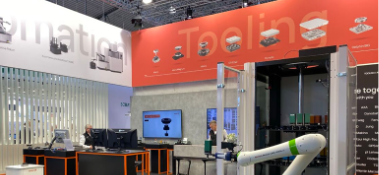
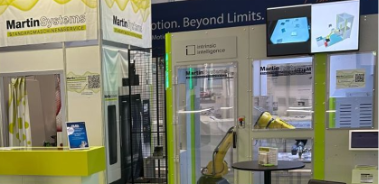
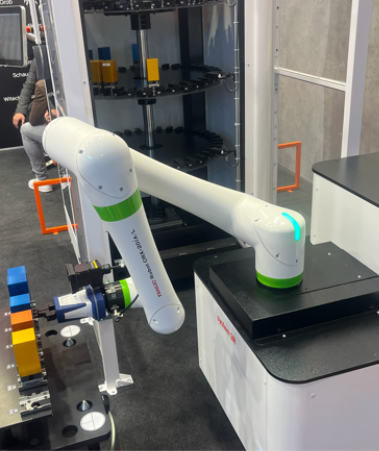
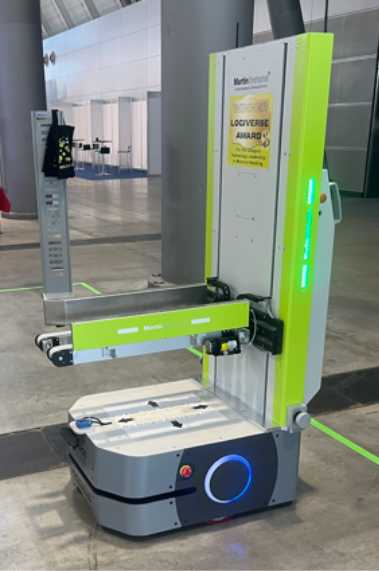
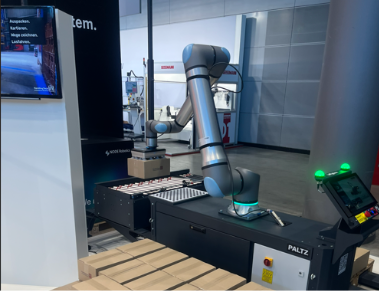
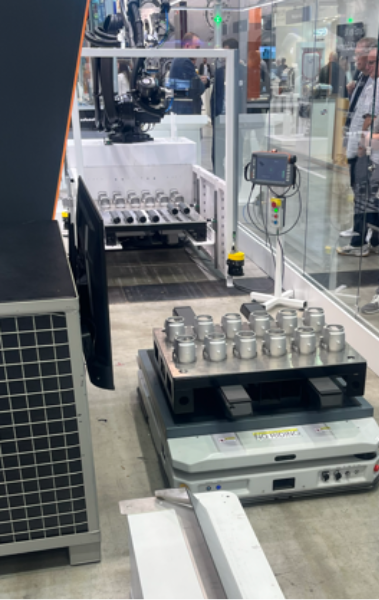
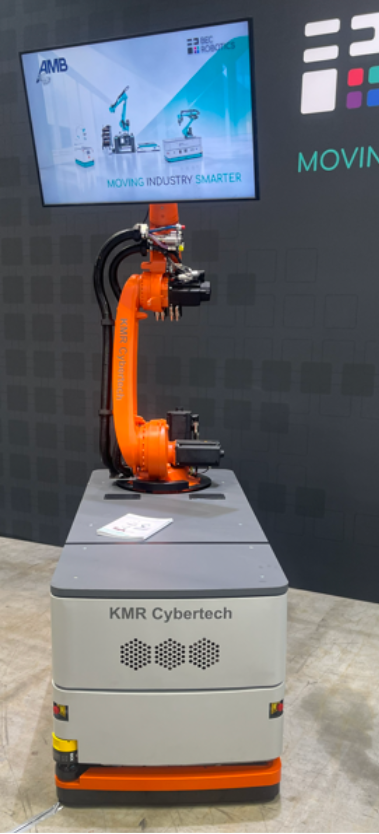
Figure 7-13. FMS, AMR, workpiece-handling and coordinated manufacturing displays at AMB 2026
Four questions to answer before planning an FMS
- Interfaces:Can the machine tools, robots, AMRs and management systems exchange the required signals?
- Identification:Can workpieces, tools, fixtures and programs be identified and traced?
- Exceptions:Who or what handles missing material, tool alarms, failed inspection and machine downtime?
- Scalability:Can another machine or product family be added without rebuilding the entire system?
Learn more:Automation & FMS Use Cases
Trend 4: Robots Moving Beyond Machine Tending
The displays documented by GPM fall into three categories: robots carrying milling spindles or cutting devices for auxiliary operations; robots carrying vision or measurement devices for workpiece inspection; and robots integrated inside machine tools to shorten handling paths and increase process flexibility.
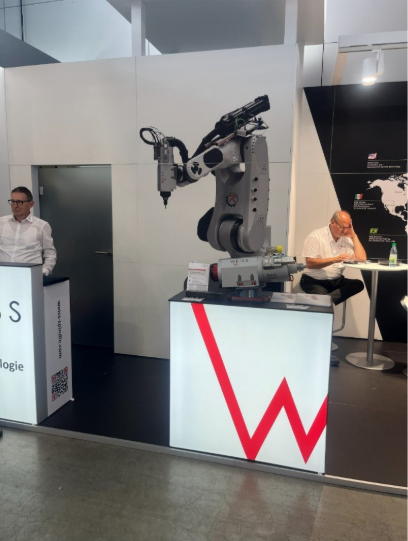
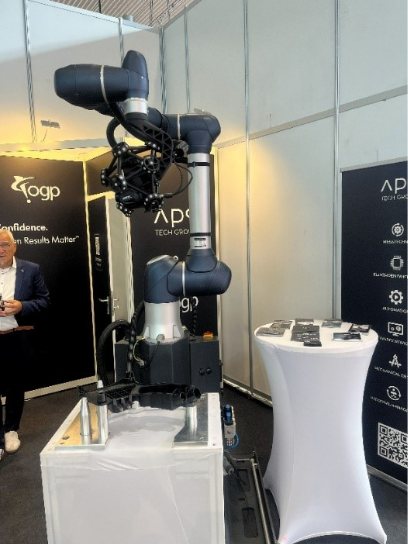
Figure 14,15. Robots configured for auxiliary machining and workpiece inspection
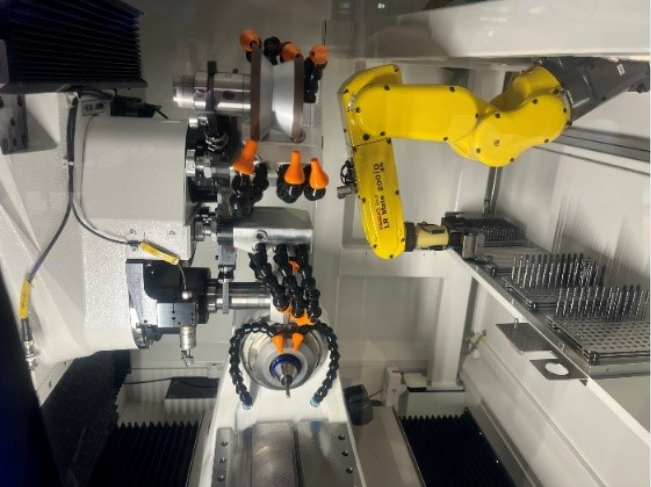
Figure 16. A machine tool with an integrated robotic arm
Engineering checks before integration
- Verify that robot accuracy and stiffness match the intended process.
- Assess machine-envelope constraints, collision risks, chips and coolant protection.
- Determine whether inspection results can be returned to the control system and traced.
- Define safety circuits, maintenance access and manual-intervention procedures.
What These Trends Mean for Machine Tool Builders
The next stage of competition is not defined by the longest feature list. It depends on whether machining, tool change, inspection, material handling and data exchange can work as a stable process. Machine tool builders can review the following three areas:
- Machining capability: raise single-setup completion through multi-tasking turrets, B-axis units or process modules.
- Automation capability:support automatic tool change, machine tending, inspection and tool management.
- Integration capability:provide interfaces for robots, AMRs, FMS platforms and production-management systems.
GPM's Response to the Next Generation of Machine Tools
Based on the source report, GPM is focusing on key machine tool components, automatic tool change and automation integration. GPM works with machine tool builders to evaluate solutions for different machine architectures and machining requirements.
- Machine capability: align component functions with machining requirements for multi-tasking and high-precision processes.
- Automation:develop automatic tool-change and related integration capabilities with emphasis on application fit and operating stability.
- Global collaboration: build long-term development relationships with machine tool manufacturers pursuing product upgrades.
AMB 2026 Machine Tool Trends: Frequently Asked Questions FAQ
What were the main machine tool trends at AMB 2026?
GPM’s exhibition observations identify four themes: multi-tasking, broader machine tool automation, flexible manufacturing systems and robotic integration.
What is the value of integrated turn-mill-grind machining?
Completing more operations in one setup can reduce workpiece transfers and repeated positioning. Results depend on the workpiece, tooling, process and machine configuration.
How is automatic tool change different from machine tending?
Machine tending moves workpieces into and out of a machine. Automatic tool change manages tool switching during machining. The two can be combined with inspection, tool management and scheduling.
When is an FMS suitable?
An FMS is most relevant when product mix, batch size or schedules change frequently, or when a manufacturer wants longer periods of unattended operation. Interfaces, traceability and exception handling should be defined first.
What collaboration areas can GPM support?
The source material supports three areas: key machine tool components, automatic tool change and automation integration. Product specifications and machine compatibility should be confirmed with GPM for each project.
Conclusion: From Standalone Machine Capability to Integrated Manufacturing
AMB 2026 showed a clear shift from isolated machine functions toward connected machining, tool change, inspection and handling. For machine tool builders, the practical challenge is not to add every available technology, but to align process requirements, component selection, automation logic and system interfaces.
If you are developing a next-generation lathe, multi-tasking machine, automatic tool-change system or flexible manufacturing solution, contact GPM to review the workpiece, machine architecture, cycle-time target and integration requirements.
Learn more
Related Products
Updated: 2026/11/27